%2Ffit-in%2F250x250%2Fguide_websites%2F872%2Fimages%2Fondeckfishingcharters.png&w=1920&q=100)
Bluefish and Bonito Caught in Morehead City NC
Bluefish and Bonito Fishing in Morehead City - What to Expect
%2F%2Fusers%2F6052a4dc-150a-4229-b431-131154b19b29%2Fimages%2Fmorehead-city-bluefish-bonito-catch-2615.jpg&w=1920&q=75)
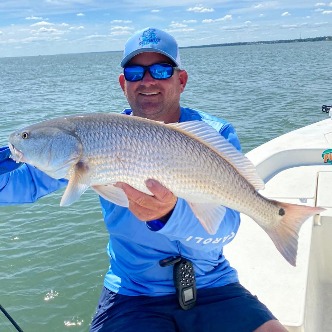
Fishing Charter by Captain Daniel Griffee in June
- Beaufort Backcountry, Inshore & Nearshore Fishing!


Summary
Experience a successful fishing charter with Captain Daniel Griffee of On Deck Fishing Charters in Morehead City, North Carolina. This Thursday in June outing delivered impressive catches of bluefish and Atlantic bonito, showcasing the productive offshore waters and expert local knowledge that define premium fishing charters in the region.
Fishing Charter with Captain Daniel Griffee - Rates & Booking
Captain Daniel Griffee of On Deck Fishing Charters on Thursday, June 19 delivered an exceptional offshore fishing experience that exemplifies what serious anglers pursue along the North Carolina coast. This charter targeted premium species in highly productive waters, resulting in quality catches displayed at the marina cleaning station.
Booking a fishing charter with Captain Griffee puts you on the water with a seasoned professional who understands coastal conditions, seasonal patterns, and species behavior. On Deck Fishing Charters provides the expertise, equipment, and local knowledge needed to maximize your time on the water. Contact the charter directly to discuss available dates, group size, and specific species preferences for your trip.
Highlights of This Fishing Charter
The catch composition tells the story of what makes Morehead City such a premier fishing destination. Bluefish and Atlantic bonito represent two of the region's most sought-after species, both known for aggressive strikes and powerful runs that deliver genuine excitement to anglers of all experience levels. The multiple specimens brought to the dock demonstrate consistent fishing success throughout the outing.
Successful charters like this one showcase the importance of fishing during productive seasons and fishing with a guide who reads conditions and knows where fish are actively feeding. The professionalism evident in the catch handling and presentation at the marina underscores the quality standards maintained by established charter operations in the area.
Local Species Insights: Bluefish and Atlantic Bonito
Bluefish are aggressive predators that thrive in the Atlantic waters off North Carolina's coast. These fish are known for their combative nature and powerful fighting style, making them exciting targets for saltwater anglers. Bluefish typically hunt in schools, feeding on smaller baitfish in coastal and offshore environments. Their presence in significant numbers during summer months makes them a reliable charter target, and they provide both sport and excellent table quality when prepared properly.
Atlantic bonito represent a step up in speed and agility compared to bluefish. These sleek, fast-moving fish are built for pursuit hunting and are known to make explosive runs and erratic movements when hooked. Bonito prefer similar offshore conditions to bluefish but tend to run slightly deeper and require more refined presentation techniques. Finding both species in the same outing indicates excellent fishing conditions and skilled captain navigation to productive grounds.
The waters around Morehead City offer unique advantages for targeting these species. The proximity to offshore structure, the influence of coastal currents, and seasonal baitfish migrations create optimal feeding grounds. Early summer represents peak season for aggressive feeding behavior from both species, making June an ideal time to book a charter focused on these high-energy fish. The combination of species on this trip reflects the abundance available to well-prepared anglers fishing productive grounds with experienced guidance.
Water conditions, temperature ranges, and baitfish availability all influence species behavior and feeding patterns. Captain Griffee's ability to locate and target both bluefish and bonito during a single charter demonstrates the local expertise that separates exceptional fishing guides from average operators. Understanding how environmental factors affect fish location and willingness to strike is the foundation of consistent fishing success.
Plan Your Fishing Day
A fishing charter from Morehead City typically involves an early morning departure to take advantage of optimal feeding windows and offshore conditions. Anglers should prepare for active physical engagement throughout the outing, as species like bluefish and bonito demand constant attention and quick reaction times. Bring appropriate clothing for changing water conditions, sunscreen for extended time on the water, and any personal medications or comfort items you may need.
The charter will provide access to fishing tackle and equipment suited for the target species and techniques being employed. You'll work directly with Captain Griffee and any crew members present, learning proper casting technique, recognizing strike indicators, and maintaining hooksets during the crucial initial moments of engagement. The entire experience combines technical skill development with the genuine thrill of saltwater fishing adventure.
Fishing in North Carolina: Bluefish and Atlantic Bonito
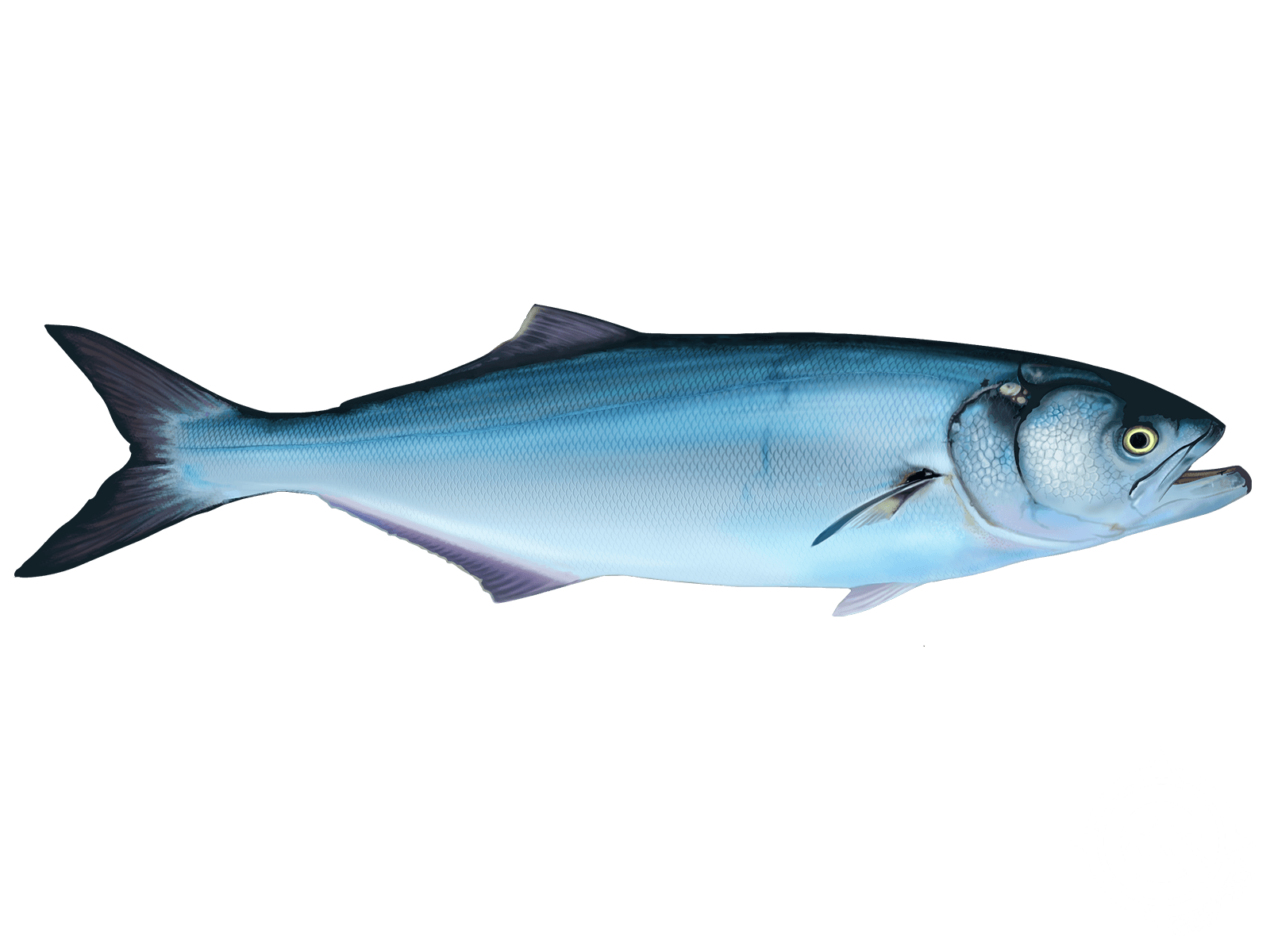
Bluefish Overview
The Bluefish (Pomatomus saltatrix) is one of the most thrilling game fish you'll encounter in nearshore and onshore Atlantic waters. Belonging to the family Pomatomidae and order Perciformes, this aggressive predator is the sole surviving member of its family—a distinction that makes it both ecologically important and historically fascinating. What makes the Bluefish truly special is its combination of explosive feeding behavior, striking blue-green coloring, and reputation as a spirited fighter on the line. Known locally in different regions as Shad (South Africa) or Tailor (Australia and New Zealand), this migratory species brings excitement to summer fishing from Cape Cod to the Carolinas and beyond. Anglers and casual observers alike are captivated by the famous "Bluefish Blitz," where schools churn shallow waters like washing machines, attacking baitfish with reckless abandon.
Bluefish Habitat and Distribution
Bluefish thrive in subtropical and temperate waters across the globe, with major populations found throughout the Atlantic Ocean from Nova Scotia to Argentina, and from Spain to southern Africa. These marine pelagic fish are most commonly found along continental shelves and rarely venture to the north side of the Pacific Ocean. In North America, they inhabit a wide range of environments including brackish estuaries, tidal rivers, rock headlands, sandy beaches, and areas just above the continental shelf. During summer months, Bluefish become seasonal visitors to cooler northern waters, arriving around mid-June and remaining through mid-October before migrating to warmer wintering grounds from North Carolina south to Florida's tip. They're particularly abundant in bays, sandy harbors, and tidal river systems where forage fish concentrate. The species shows a strong preference for areas with active baitfish populations and readily moves between shallow coastal waters and deeper offshore zones depending on seasonal availability of prey.
Bluefish Size and Weight
Bluefish display considerable size variation depending on age and feeding conditions. Most fish in the general population reach weights around 15–20 pounds, though they commonly grow to 15 inches minimum and can exceed 51 inches in length when fully mature. In terms of weight, typical catches range from 3 to 15 pounds for recreational anglers, though exceptional specimens have been documented at 40 pounds or more. Juvenile Bluefish, affectionately called "baby blues" or "snappers," appear in late summer and offer excellent opportunities for young and inexperienced anglers to practice their skills. The larger fish, particularly those exceeding 10 pounds, develop stronger, more assertive flavors compared to their smaller counterparts, which possess mild, flaky meat prized by culinary enthusiasts.
Bluefish Diet and Behavior
Bluefish earned their reputation as voracious predators through relentless feeding habits and an impressive arsenal of flat, triangular teeth sharp enough to inflict serious bites. These aggressive hunters possess a complex diet featuring sardine-like fish, Menhaden, Weakfish, Grunt, Anchovy, Squid, and Shrimp. Their fast swimming speed allows them to chase down schools of forage fish, and they're known for entering feeding frenzies where they continue attacking prey long after satisfying their nutritional needs—a behavioral trait that makes them so appealing to anglers. Interestingly, Bluefish exhibit cannibalistic tendencies, sometimes consuming their own young. Despite their fearsome hunting prowess, adult Bluefish serve as food for larger predators including Dolphins, Billfish, Sharks, and Tuna. The species can live up to 9 years in the wild, providing a multi-generational presence in coastal ecosystems. Their aggressive nature means careful handling is essential; their powerful jaws and sharp teeth can deliver painful wounds to unsuspecting anglers.
Bluefish Spawning and Seasonal Activity
Bluefish exhibit strong seasonal migration patterns that define their presence in coastal waters throughout the year. In northern regions like Cape Cod and the broader Atlantic Northeast, these fish arrive as seasonal visitors around mid-June and establish themselves through mid-October when water temperatures and baitfish availability peak. The fall migration triggers a notable fishing phenomenon as juvenile "snappers" congregate in sandy harbors, bays, and tidal rivers before departing for southern waters. Winter months find the majority of the population in warmer Atlantic waters stretching from North Carolina through Florida's southern tip. This predictable seasonal cycle has shaped commercial and recreational fisheries management strategies, with harvest regulations and bag limits designed around their migratory movements. Spring returns bring renewed excitement to northeastern anglers as water temperatures warm and migrating schools re-enter traditional summer grounds, signaling the beginning of another productive fishing season.
Bluefish Techniques for Observation and Capture
Method 1: Live and Cut Bait Fishing
The most effective approach for targeting Bluefish involves using oily baitfish like eels, which trigger aggressive strikes, though nearly any baitfish species will work. Cut bait shaped into small lure-sized chunks proves particularly productive, allowing you to present multiple offerings in areas with known Bluefish activity. Fish from tidal rivers, bays, and sandy harbors during summer months when water temperatures are optimal. Use only circle hooks per regulations—this equipment choice reduces injury to released fish while improving your hook-up rate. Cast into areas where baitfish schools congregate, particularly near structure and during tidal movements that concentrate prey.
Method 2: Artificial Lures and Flies
Bluefish eagerly strike artificial lures and fly patterns that mimic their natural prey. Recreational regulations permit artificial lures with a maximum of two treble hooks, giving you flexibility in your presentation. Topwater plugs, metal spoons, and shad-pattern soft plastics all produce strikes during active feeding periods. Cast into the "Bluefish Blitz"—that spectacular phenomenon where schools churn shallow water while attacking baitfish—and work your lures with aggressive, erratic retrieves that trigger competitive feeding responses.
Method 3: Commercial and Guided Techniques
Professional fisheries employ trawls, gillnets, and hook-and-line methods in commercial operations requiring proper permits. Around Cape Cod and other prime northeastern locations, charter boats and guided services specialize in locating schools and positioning anglers for consistent action. Recreational anglers can keep up to three fish per day with no minimum size requirement, making this an accessible species for both novices and experienced fishermen.
Bluefish Culinary and Utilization Notes
When properly prepared, Bluefish offers mild, flaky meat that ranks as a genuine culinary treat for those who know how to handle it. Smaller fish (under 10 pounds) provide the most delicate flavor, while larger specimens develop more pronounced, oily characteristics that some find less appealing. Despite being rich in omega-3 fatty acids beneficial for heart health, health authorities recommend that children and adult women limit consumption due to the species' significant mercury content. The fish's oily nature makes it ideal for smoking, grilling, and baking—preparation methods that complement rather than mask its natural flavors. Commercial and recreational fisheries employ strict management through bag limits and annual quotas to ensure sustainable harvest and prevent overfishing. When considering Bluefish for the dinner table, source smaller specimens and enjoy them as an occasional rather than regular dietary staple.
Bluefish Frequently Asked Questions
Q: What is the best bait for catching Bluefish?
A: Oily fish like eels are exceptionally effective, but almost any baitfish works well. Cut bait shaped into small lure-sized chunks provides another excellent option. The key is matching bait size to your target fish and presenting it in areas where schools congregate, particularly during tidal movements.
Q: Where can I find Bluefish near Cape Cod and the northeastern coast?
A: Bluefish are seasonal visitors to Cape Cod and northern Atlantic waters from mid-June through mid-October. Focus your efforts on tidal rivers, bays, sandy harbors, and nearshore locations where baitfish concentrate. The "Bluefish Blitz" phenomenon, where schools attack baitfish in shallow water, creates spectacular fishing opportunities during peak season.
Q: Is Bluefish good to eat?
A: Yes, when properly prepared, Bluefish offers delicious, mild, flaky meat—particularly smaller specimens under 10 pounds. However, due to mercury content, health authorities recommend limiting consumption, especially for children and adult women. Prepare using smoking, grilling, or baking methods that complement the fish's natural oily richness.
Q: When is the best time to catch Bluefish?
A: Summer months (mid-June through mid-October) represent peak season in northern regions like Cape Cod. Late summer brings juvenile "snappers" into shallow bays and sandy harbors, creating excellent opportunities for beginners. Early morning and late afternoon often produce the most consistent action as feeding intensity increases.
Q: What regulations apply to Bluefish fishing?
A: Recreational anglers can keep up to three Bluefish per day with no minimum size requirement, using only circle hooks. Artificial lures are limited to two treble hooks maximum. Commercial fishing requires proper permits, and many states impose specific catch limits. Always check local regulations before fishing.
Q: Why are Bluefish called a "Blitz" when they feed?
A: The "Bluefish Blitz" occurs when schools churn shallow water like washing machines, attacking baitfish schools with reckless aggression. These feeding frenzies create spectacular surface disturbances and offer some of the most exciting fishing experiences available, as multiple fish simultaneously strike and compete for prey regardless of their hunger level.
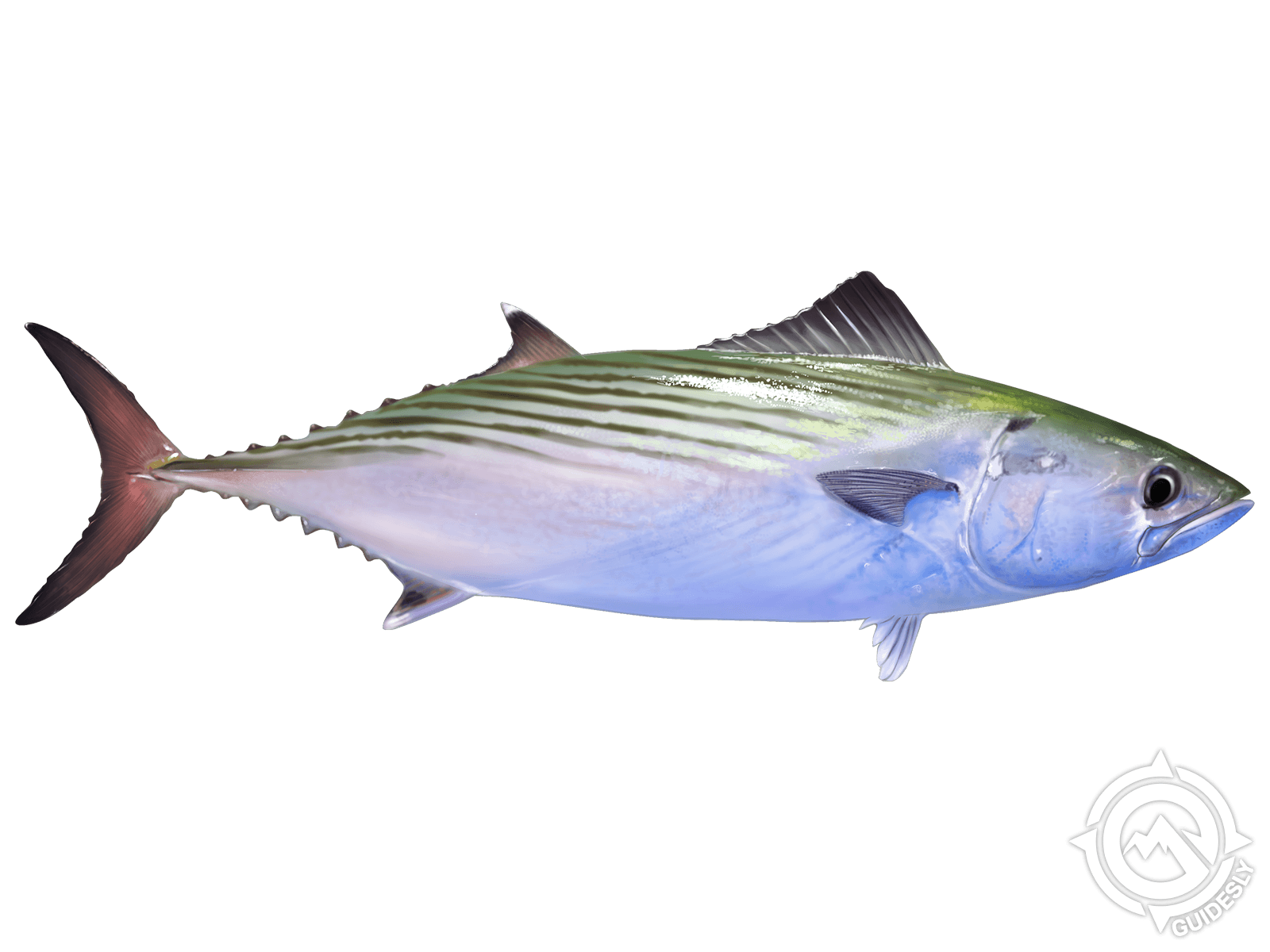
The Atlantic Bonito (Sarda Sarda) is a sleek, high-speed predator belonging to the Scombridae family within the order Perciformes. This mackerel-like fish is instantly recognizable by its silver body adorned with a blueish-green dorsal fin and striking black stripes running along its sides. Often mistaken for white tuna or called by its alternate names—false albacore or little tunny—the Atlantic Bonito is a fascinating species that commands respect among coastal anglers. What makes this fish truly remarkable is its torpedo-shaped body with an exceptionally narrow caudal peduncle, which enables it to rocket through the water at speeds reaching 40 mph. Whether you're fishing the Atlantic coast or exploring marine ecosystems, encountering a feeding school of Atlantic Bonito is an unforgettable experience that showcases nature's raw power and efficiency.
Atlantic Bonito Overview
The Atlantic Bonito is a pelagic powerhouse found throughout the Atlantic Ocean's coastal waters, ranging from Nova Scotia in the north all the way down to Argentina in South America. This migratory species thrives in nearshore and reef environments, and while it's scarce in the Gulf of Mexico, it's incredibly abundant along the eastern seaboard. The fish is particularly popular in Mediterranean and Black Sea regions, where it's often canned and consumed as a food staple. In the United States, however, the Atlantic Bonito is rarely used for consumption due to its oily composition, making it a catch-and-release favorite or occasional baitfish for anglers pursuing larger game species.
Atlantic Bonito Habitat and Distribution
Atlantic Bonito inhabit coastal Atlantic waters extending from Nova Scotia southward along the entire eastern seaboard through to Argentina. These fish prefer pelagic (open water) environments rather than bottom-dwelling zones, and they're most commonly encountered in nearshore and reef habitats. They've adapted to gradual temperature transitions and thrive best in water temperatures ranging from the 60s, though they can survive in waters as cold as the 50s. Occasionally, they venture into brackish saltwater areas, but their primary domain remains the open Atlantic. Their presence in the Mediterranean Sea and Black Sea demonstrates their adaptability to varied marine environments, where they've become an important commercial species for canning operations.
Atlantic Bonito Size and Weight
Typical Atlantic Bonito specimens range from 8 to 36 inches in length, with average weights between 10 to 12 pounds. However, these fish can grow considerably larger under optimal conditions, with documented sizes reaching up to 30 inches and weights approaching 12 pounds for common catches. The world record specimen is a remarkable 18 pounds 4 ounces, caught in the Azores and standing as a testament to the species' growth potential. The average lifespan of an Atlantic Bonito is approximately 15 to 18 years, allowing them to reach substantial sizes in their maturity. For anglers, this size range makes them an exciting target—large enough to provide a thrilling fight yet manageable enough for recreational fishing success.
Atlantic Bonito Diet and Behavior
The Atlantic Bonito is a ram ventilator, meaning it cannot bite and must consume prey whole. This unique feeding adaptation defines much of its hunting behavior—it pursues schools of smaller fish including mackerel, menhaden, alewives, sardines, and sand lance with relentless speed and aggression. One of the most visually distinctive behaviors is how schools of Atlantic Bonito swim with their dorsal fins raised above the water surface, creating an appearance eerily similar to a school of small sharks. These massive schools feed actively at the surface, often breaching and jumping in pursuit of prey—a telltale sign that draws both seabirds and savvy anglers to their location. When feeding, they're incredibly aggressive and will strike almost any lure or bait presented to them. Larger predators such as tuna, marlin, and wahoo hunt Atlantic Bonito themselves, keeping them constantly alert and mobile.
Atlantic Bonito Spawning and Seasonal Activity
As a migratory species, Atlantic Bonito exhibit seasonal movement patterns tied to water temperature and prey availability. They adjust to gradual temperature changes throughout the year, shifting their range northward during warmer months and southward as temperatures cool. This migration pattern makes them more prevalent along the northeastern coast during summer and fall months, with activity concentrated in nearshore feeding zones where baitfish congregate. While specific spawning dates aren't extensively documented in common fishing literature, their presence along various coastal regions suggests breeding occurs in multiple locations throughout their expansive range. Anglers can capitalize on these seasonal shifts by targeting areas where warming waters trigger increased surface feeding activity.
Atlantic Bonito Techniques for Observation or Capture
Trolling with Fast-Moving Lures: The most effective approach involves trolling fast-moving lures or live bait behind a moving boat. Once you locate a feeding school—often visible by their distinctive dorsal fins breaking the surface or by following seabirds—maintain speed and cast fast-moving plastic lures, metal jigs, or epoxy combinations directly into the school. Plastic lures offer excellent flexibility and don't sink as quickly as metal, keeping your bait in the strike zone longer. For windy conditions, metal lures provide superior casting distance and control. Menhaden, mackerel, squid pieces, and sand lance work exceptionally well as live bait alternatives.
Live Bait Presentation: Presenting live mackerel, menhaden, or sand lance near reef structures and nearshore drop-offs capitalizes on the Atlantic Bonito's natural feeding patterns. Cast live bait into areas where you've spotted feeding activity or where schools are known to congregate. The species' aggressive nature means strikes typically come within seconds of a proper presentation. This method is particularly effective during peak feeding windows in late morning and afternoon hours.
Localized Tip: Around the Atlantic coastal regions from Massachusetts to the Carolinas, look for Atlantic Bonito schools in late summer and early fall when they're actively feeding in preparation for migration. Watch for diving seabirds and surface disturbance as your primary indicators, then position your boat to intercept the school's movement pattern rather than casting directly at them.
Atlantic Bonito Culinary and Utilization Notes
In the United States, the Atlantic Bonito is rarely consumed due to its high oil content and strong flavor profile, making it less desirable for fresh table fare compared to other game fish. However, in Mediterranean and Black Sea regions, this species is highly valued and frequently processed into canned products, often marketed as canned tuna. The fish's oily composition, while limiting its appeal in American cuisine, actually makes it an excellent baitfish for pursuing larger predators like tuna, marlin, and wahoo. Many U.S. anglers view a caught Atlantic Bonito as either a bonus catch while targeting other species or as a ready-made bait for bigger game. Importantly, the Atlantic Bonito has no size or bag regulations in the United States, allowing anglers complete freedom in their pursuit and retention policies.
Atlantic Bonito Frequently Asked Questions
Q: What is the best bait or lure for catching Atlantic Bonito?
A: Live bait such as menhaden, mackerel, sardines, and sand lance work exceptionally well. For lures, fast-moving plastic options are ideal for most conditions, while metal jigs perform better in windy weather. Epoxy jigs provide an excellent middle ground combining the benefits of both materials. The key is matching the speed of your retrieve to the fish's hunting intensity—when they're feeding aggressively, almost any fast-moving lure will trigger strikes.
Q: Where can I find Atlantic Bonito near my location along the Atlantic coast?
A: Atlantic Bonito are found from Nova Scotia southward along the entire eastern seaboard through to Argentina, with peak concentrations in nearshore and reef environments. Summer and fall months see increased activity along the northeastern coast, while southern populations remain year-round. Check with local fishing reports and look for feeding schools identified by raised dorsal fins and seabird activity as your best location indicators.
Q: Is Atlantic Bonito good to eat?
A: In the United States, Atlantic Bonito is not typically consumed due to its oily composition and strong flavor. However, in Mediterranean and Black Sea regions, it's a valued food fish often canned and marketed as canned tuna. Most American anglers use Atlantic Bonito as baitfish for larger predators rather than for personal consumption, and there are no size or bag regulations limiting your catch.
Q: What's the difference between Atlantic Bonito and white tuna?
A: Atlantic Bonito is frequently confused with white tuna, but they are distinct species. Atlantic Bonito, also called false albacore or little tunny, belongs to the Scombridae family and is characterized by its black stripes, blueish-green dorsal fin, and narrower body profile. Learning to distinguish the striping pattern and body shape will help you correctly identify Atlantic Bonito during your fishing adventures.
Q: When is the best time to catch Atlantic Bonito?
A: Atlantic Bonito are most active during late morning and afternoon hours when surface feeding peaks. Seasonally, late summer and early fall offer peak fishing opportunities along the northeastern coast as the fish prepare for migration. Look for these fish when water temperatures are in the 60s, and watch for visible feeding activity including jumping, breaching, and dorsal fins breaking the surface.
Q: How fast can Atlantic Bonito swim?
A: Atlantic Bonito are remarkably fast swimmers capable of reaching speeds up to 40 mph, thanks to their torpedo-shaped body and narrow caudal peduncle. This speed advantage allows them to chase down and capture small fish like mackerel, menhaden, and sardines with remarkable efficiency, and it's also why they're thrilling to hook for recreational anglers.